Navigating the Pallet Liquidation Market: What You Need to Know
Maneuvering the pallet liquidation market presents both opportunities and challenges. A calculated approach is critical for those looking to enter this market. Understanding the nuances of supplier reliability and product evaluation is vital. Moreover, recognizing potential risks can protect investments. As the market continues to evolve, the ability to adjust will shape success. What actions are necessary to confidently build a presence in this demanding environment?
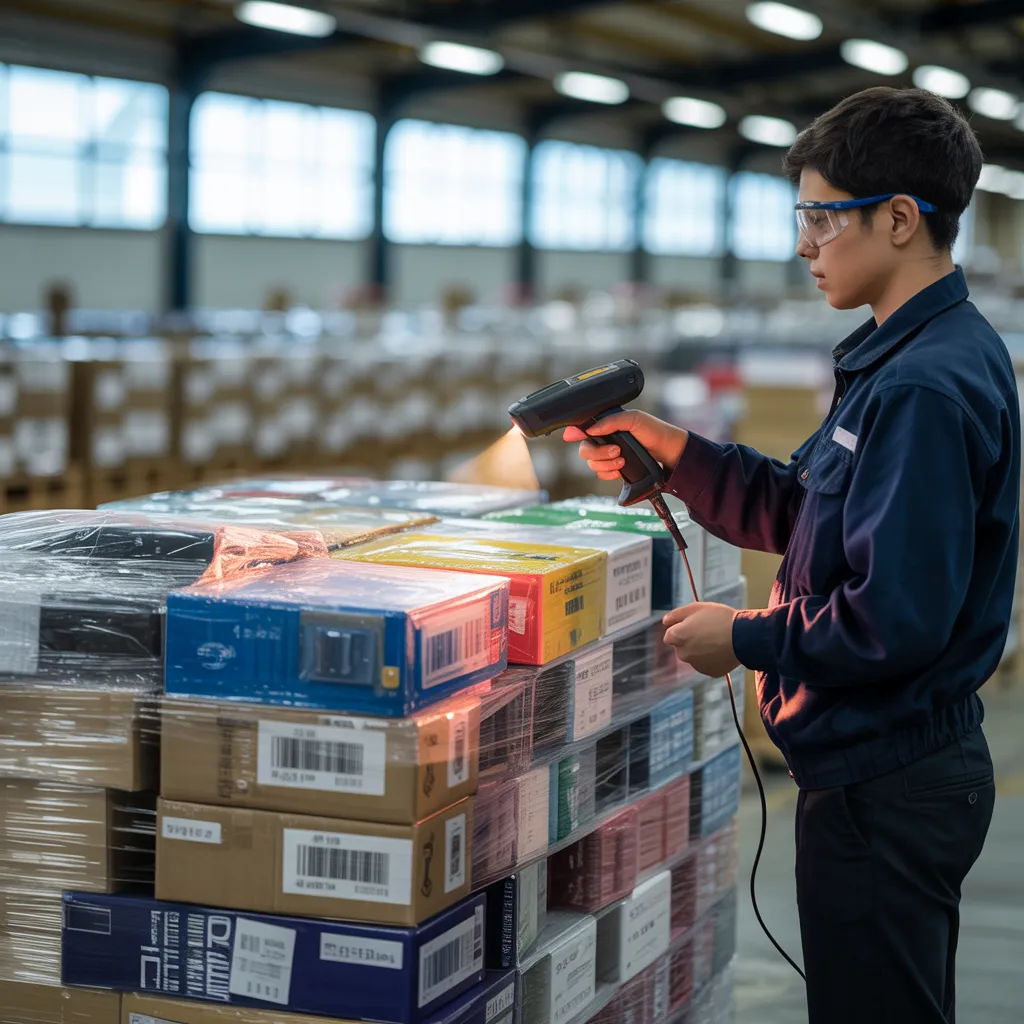
How to Get Started With Pallet Liquidation
Getting started with pallet liquidation requires careful planning and informed decision-making. Individuals interested in this market must first assess their goals, whether for personal use or resale. Understanding the types of products commonly found in liquidation pallets is essential, as it influences purchasing decisions. Analyzing market demand assists in pinpointing high-value products, ensuring a more strategic approach.
Next, financial planning is important; interested buyers should determine how much they are willing to invest while considering associated expenses such as shipping, storage, and potential repairs.
Developing a designated space to arrange and assess items is also advisable, facilitating effective inventory management.
Finally, defining achievable expectations helps with maneuvering the early learning phase. By approaching pallet liquidation with a well-organized plan and specific targets, beginners can improve their likelihood of success in this dynamic market.
Locating Trustworthy Suppliers for Liquidation Pallets
Discovering trustworthy sources for pallet liquidation is vital for those entering this field. The primary step is to perform comprehensive research, employing web-based directories and communities dedicated to wholesale pallet trading. These channels often feature feedback and testimonials that can help determine vendor reliability. Networking within local business communities or participating in liquidation auctions can also yield important insights and leads.
Moreover, prospective buyers should find suppliers with clear business practices, offering comprehensive information about their sourcing practices and merchandise inventory. It's advisable to request sample pallets before making larger purchases, as this allows buyers to examine the overall quality of the merchandise. Trustworthiness can also be assessed by a supplier's service quality; quick and detailed replies reflect high standards. Ultimately, cultivating a trustworthy relationship with suppliers can produce stronger deals and consistent inventory, critical for thriving in the pallet liquidation business.
How to Appraise Pallet Liquidation Products
Examining pallet liquidation products necessitates a systematic method. Key factors include examining the product state, evaluating market viability, and validating brand authenticity. By addressing these factors, purchasers can make well-considered purchasing decisions that maximize profit margins.
Examine Product Condition
Appraising the quality of products in pallet liquidation is essential for maximizing potential profit. Purchasers must carry out a comprehensive inspection of products to determine their viability and resale value. This includes identifying physical damage, verifying that all components are included, and assessing whether products are new, refurbished, or used. A thorough inventory list can assist in this process, enabling easier tracking of goods' conditions. Additionally, being aware of return policies and warranties may impact purchasing decisions. By properly appraising product condition, purchasers can reach informed choices that complement their business strategies, ultimately leading to more effective liquidation outcomes. Diligent evaluation not only safeguards investments but also improves overall market competitiveness.
Assess Market Demand
Comprehending market demand is a critical component of analyzing pallet liquidation inventory. Purchasers must research current trends to identify which items hold the greatest resale value. This entails examining popular categories, such as electronics, home goods, and apparel, and measuring seasonal shifts that may influence demand. Utilizing online channels and marketplaces can offer insights into price points and consumer behaviors. Additionally, observing social media and customer reviews can reveal developing trends and preferences. By recognizing the target demographic and their consumer patterns, resellers can arrive at educated choices, ensuring they identify pallets that are not only in demand but also capable of yielding a favorable return. Comprehensive assessment of market demand fundamentally strengthens the performance of pallet liquidation operations.
Confirm Brand Authenticity
Validating brand legitimacy is crucial for optimizing profits in the pallet liquidation market. Resellers need to carry out detailed investigations to guarantee the products they acquire are real. This requires reviewing packaging, logos, and product details against established brand documentation. Checking alongside online reviews and brand websites can help determine the credibility of the goods. Additionally, employing resources such as product authentication tools or verification platforms can further confirm a item's authenticity. Evaluating supplier standings across online marketplaces and discussion boards is also critical, as established sellers often provide genuine products. By placing brand verification first, sellers can increase their selling potential and limit exposure to fraudulent products, thereby increasing overall earnings in the challenging liquidation industry.
Recognizing Risks When Purchasing Liquidation Pallets
When purchasing wholesale liquidation pallets, buyers must be aware of several inherent risks. Concealed costs can significantly affect profitability, while variations in quality can influence overall satisfaction with the products. Additionally, conducting thorough market research is essential to reach well-informed decisions and reduce these risks.
Hidden Costs Involved
What hidden costs could emerge when buying liquidation pallets? Shoppers commonly misjudge the likely hidden charges connected to these purchases. Delivery charges can differ considerably, especially for wholesale orders, potentially driving up the overall cost. Moreover, buyers might come across unanticipated handling expenses when the pallets reach them, particularly when special machinery is required for unloading. Storage fees may also arise if buyers lack immediate space to accommodate the inventory. Moreover, returns or disposal costs can accumulate if products are damaged or unsellable. Finally, the time invested in sorting and cataloging items can translate into labor costs, adding to the overall expenditure. Recognition of these underlying charges is vital for buyers to secure a rewarding liquidation transaction.
Concerns Regarding Quality Variability
What steps can buyers take to ensure they get quality products when buying liquidation pallets? Product quality inconsistency is a notable challenge in the liquidation market, as merchandise can span from new condition to damaged or completely unsellable. Purchasers frequently encounter the risk of obtaining items that fall short of their expectations, resulting in possible financial setbacks. To minimize these risks, it is vital for buyers to carry out detailed research on suppliers, including reading reviews and verifying their reputation. Additionally, inspecting sample pallets or requesting detailed manifests can provide insights into the expected quality. Familiarizing oneself with return policies and warranty options can further help buyers protect their investments. At the end of the day, due diligence and a prudent approach are fundamental to handling the quality challenges in liquidation pallets.
Market Research Fundamentals
Concerns about quality variability require a thorough understanding of the challenges associated with acquiring liquidation pallets. Buyers must conduct thorough market research to uncover potential drawbacks, such as inaccurate product listings and hidden damages. Understanding the source of the pallets is essential; reputable suppliers typically offer more reliable products. Furthermore, purchasers ought to assess the potential resale value of items within the pallets, as marketplace interest can shift substantially. Familiarity with product categories can aid in making informed decisions. Additionally, reviewing return policies and warranty options can mitigate financial risks. By staying informed about these elements, purchasers can move through the liquidation market with greater confidence, lowering the chances of unforeseen losses while increasing potential earnings.
How to Effectively Resell Liquidation Products
Reselling liquidation goods has the potential to be a rewarding pursuit when executed with planning and diligence. Achieving results starts with comprehensive product inspection; understanding the condition and potential resale value is essential. Vendors are advised to organize products into levels—unused, reconditioned, and pre-owned—to reach a more diverse customer base.
Effective marketing plays a significant role; utilizing online platforms such as eBay, Amazon, or specialized liquidation sites can help reach potential buyers. Professional photographs and thorough descriptions boost credibility and attractiveness.
Pricing models need to account for both the initial cost and market demand; well-positioned pricing can lead to faster sales. Moreover, building strong customer relationships through exceptional related content service drives repeat business.
Moreover, keeping up with industry trends and buyer demands helps vendors to adjust their stock strategically, optimizing revenue opportunities. By utilizing these methods, entrepreneurs can skillfully work through the complexities of the liquidation industry, guaranteeing a profitable selling journey.
Handling Your Budget for Liquidation Purchases
Effectively handling a budget for purchasing liquidation goods is vital for those seeking to succeed in this market. A carefully structured budget allows buyers to evaluate their spending boundaries and prioritize potential purchases. It is important to study the standard expenses of pallets, accounting for delivery and handling costs, to stay within financial boundaries.
Investors should furthermore establish a solid approach for how much capital to allocate for diverse inventory types, ensuring a well-rounded strategy that reduces potential risks. Tracking sales and expenses can provide valuable information, enabling modifications in future budgets.
Allocating a contingency fund for unexpected costs or opportunities can significantly boost monetary adaptability. Investors must also exercise restraint, steering clear of the impulse to go beyond their financial boundaries for impulse buys. By prudently handling their finances, individuals can maximize their returns and develop a long-term strategy to acquiring liquidation merchandise.
Establishing a Successful Liquidation Business
When people join the liquidation market, building a profitable business requires a strategic approach that includes sourcing, inventory management, and sales techniques. Thriving business owners start by establishing reliable sources for top-tier liquidation pallets, including bulk suppliers and bidding marketplaces. Recognizing market patterns is vital; knowledgeable investors prioritize high-demand merchandise to maximize resale potential.
Proper inventory management includes tracking stock levels and evaluating the profitability of items. This enables business owners to make informed decisions about restocking and pricing. Additionally, employing diverse sales channels—like online marketplaces, community flea markets, or retail outlets—can improve exposure and attract a larger customer base.
Effective marketing strategies play a critical role. Leveraging social media engagement and precision-targeted advertising can capture customers and generate sales. Altogether, a comprehensive approach to sourcing, operations, and marketing positions individuals to flourish within the competitive liquidation sector, opening the door to ongoing profitability.
Frequently Asked Questions
What Types of Products Are Commonly Found in Liquidation Pallets?
Liquidation pallets commonly contain a wide range of items, including clothing, electronics, furniture, seasonal items, and home goods. These pallets often include surplus stock from retailers, excess inventory, or returned items. In many cases, the items are new or lightly used, while some products may require small repairs. Shoppers can discover brand-name products alongside lesser-known labels, offering opportunities for resale or personal use at discounted prices, making them appealing for both individuals and small businesses.
What Role Do Shipping Costs Play in Pallet Liquidation Purchases?
Shipping costs considerably impact pallet liquidation purchases by increasing the overall expenditures. Buyers must consider these costs when determining possible earnings, as steep transportation costs can diminish returns. Additionally, shipping rates may fluctuate depending on pallet weight and geographic distance, affecting buying choices. A thorough understanding of these costs can assist purchasers in making educated decisions, ensuring that the potential gains from reselling products outweigh the transportation costs involved.
Are There Seasonal Trends in Pallet Liquidation Availability?
Seasonal patterns in pallet liquidation availability are clear, with specific periods of the year demonstrating higher inventory levels. Commonly, in the aftermath of major holidays or retail seasons, excess stock generates more liquidation prospects. Moreover, the spring and summer months regularly witness an increase in liquidation as retailers offload seasonal products. On the other hand, the winter months can see a decline in activity, as businesses concentrate on holiday sales, affecting the supply of liquidation pallets.
Can I Buy Liquidation Pallets in Smaller Quantities?
That's correct, smaller quantities of liquidation pallets are available for purchase. Numerous wholesalers and liquidation firms provide options for those seeking to purchase fewer pallets, serving individual resellers and small business owners. This versatility gives buyers the opportunity to evaluate the market or control their inventory more effectively. Keep in mind that availability is subject to change, and it's advisable for potential purchasers to research suppliers to find those who specifically accommodate smaller orders.
What Are the Tax Implications of Reselling Liquidation Goods?
Reselling liquidation merchandise involves particular tax considerations. Earnings from reselling are generally subject to income tax, meaning individuals must report their earnings on tax returns. In addition, sales tax might be required, based on the jurisdiction and the type of goods being sold. It's advisable for resellers to maintain accurate records of purchases and sales to ensure they remain compliant with tax laws. Working with a tax professional can help identify individual tax responsibilities and available deductions.